
The Guide to Choosing Picture Rails vs. Wall Hooks for Your Home
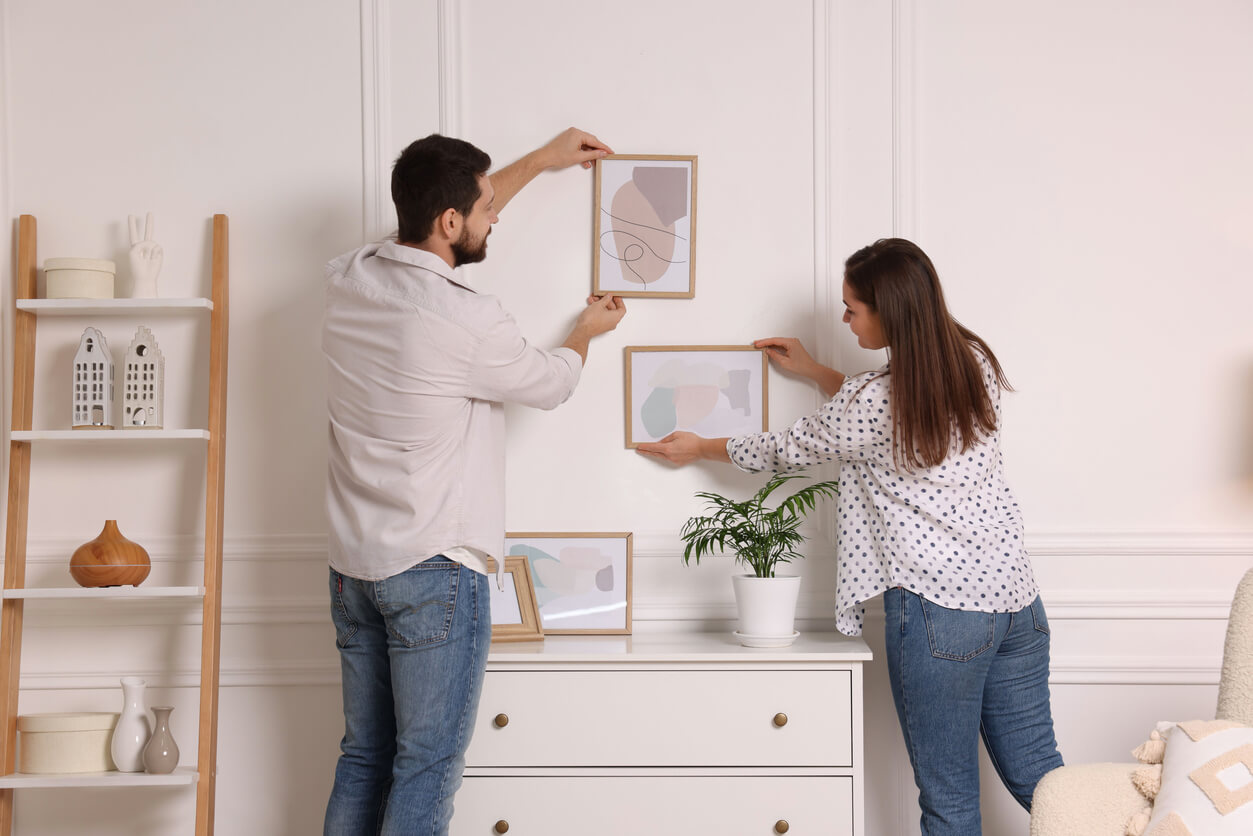
Hanging your artwork in an effective manner can be a challenge. And it isn’t just about how you arrange your different pieces and where you put them. It’s also about the systems you use for hanging.
There are various hanging systems available, and the ones you choose will depend on the number and weight of pieces you need to hang and how often you change the arrangement. Although you may not have an art gallery, you may want to create the same effect in certain areas of your home, so you will need your hanging system to be comprehensive and flexible.
Aesthetic Pros and Cons of Traditional Picture Rails
If you only have a few pictures to hang, then hooks and nails may be adequate. For a bigger display, however, picture rails have several advantages:
- Changing your display does not mean having to constantly drill new holes and put hooks in different positions. Instead, once the rails are installed, you simply need to move hooks along the rails and adjust cord lengths to accommodate different pieces. This avoids damage to the walls with the need to fill and paint over old holes.
- They give great flexibility because you can easily adjust the positioning of your artwork in any direction.
- When installed appropriately, picture rails can support heavy pieces of artwork, generally much more than picture hooks with standard anchors.
- They give a classic, gallery-like look to any room.
They do, however, have some drawbacks when compared to using hooks:
- Hooks are much easier to install, although you may need several of them.
- A complete picture rail system is more expensive.
- Rails are much more conspicuous than hooks, which are usually hidden behind the artwork.
Flexibility and Damage Reduction with Rail Systems
One of the big features of picture rail systems is that, once installed, they are very flexible in use and so will not need to be replaced. Hooks are slotted onto the picture rail, and wires or cords are attached to them to hold the artwork. Therefore, by moving hooks to different points along the rail and changing the length of the cord, you can hang different pictures of varying sizes in any position relative to the rail.
So the system, once installed, will handle various artwork arrangements, unlike hooks that need to be repositioned so that old holes have to be filled in and repainted.
This flexibility is increased by the availability of different types of picture rail hooks:
- Traditional hooks that have varying sizes and weight capacities.
- Adjustable hooks that slide up and down so that the artwork height can be changed without altering the cord length.
- Gallery hooks that are stronger and can hold heavier pieces.
- Specialist hooks that are designed for items other than artwork, such as mirrors and decorative items.
This availability means you can replace hooks with other types if required. The picture rail hooks you choose will depend on their weight capacity and the degree of adjustment you need. They also come in varying designs and finishes, so you can choose ones that you find aesthetically appealing.
Load-Bearing Capacity of Different Wall Hooks and Fixings
When hanging your artwork, you need to take into account the load-bearing capacity of the wall hooks, but also of the wall itself. The latter will dictate the type of fixings you need to use.
Most interior walls are covered in plasterboard or drywall, which are incapable of carrying too much weight. However, the board will generally be attached by battens and studs, so screwing into a stud will provide much greater capacity. If you can’t fix into a wall stud, a number of fixings are available that have different load-bearing capacities:
- Expansion Anchors: 25 pounds.
- Winged Plastic Anchors: 25 pounds.
- Molly Bolts: 50 pounds.
- Threaded Anchors: 75 pounds.
- Toggle Bolts: 100 pounds.
Nails, picture hangers, and hooks fixed into a stud are okay for light pictures, while brick and stone require a plug or anchor. A nail into a stud can typically hold 20 pounds, while a toggle bolt in a stud will increase this to 100 pounds.
Always provide sufficient support for heavy items because safety is a priority. If in doubt, use multiple hooks or specialty fixings that are rated for the weight. If using picture rail hooks, these will have a stated load-bearing capacity, but you also need to be sure the rail itself is secure. Always err on the side of caution.
When to Use a Hanging System for Rotating Displays
If you have plenty of artwork and limited display space, you may want to change your display periodically to refresh the appearance. Using individual hooks to do this will mean having to constantly change the location of those hooks and will require holes to be filled and redrilled.
A better option is to have a hanging system that can cope with frequent changes without having to alter the system. A picture rail system is ideal for this because it is permanently installed along a wall, close to the ceiling, with artwork hung from it on a series of hooks and cables. This allows you to set the position of each picture precisely, at varying heights and at any position along the rail, and to change easily when required.
Cable systems are more complex to install but are equally flexible. Cables or rods are suspended from a fixed track and have hooks or clips attached. These slide along the cable to allow exact positioning, both vertically and horizontally. This type provides a more minimalist and contemporary look.
There are many types of hanging systems for that perfect display. If you are confused by the choices or doubt your ability to install them properly, it’s best to seek professional help. Contact us at All About Hanging, and we will ensure your artwork is hung efficiently to give everyone the best view possible. Our expert picture and art hanging services include professional installation of picture rail systems and other hanging solutions tailored to your display needs.